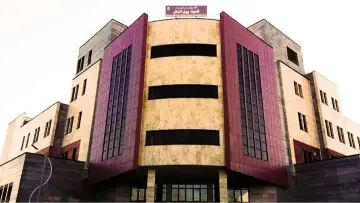
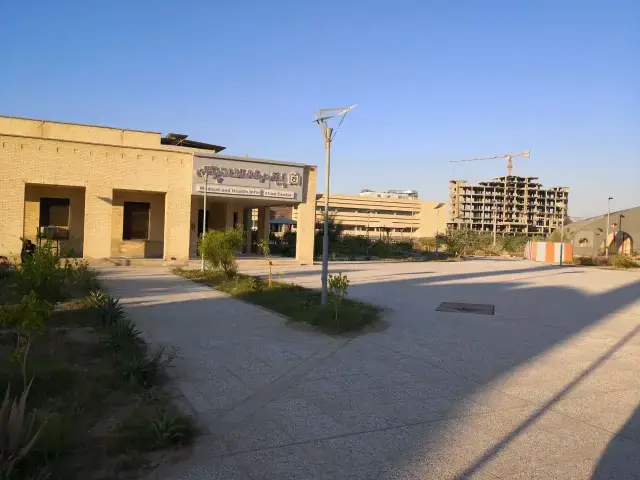
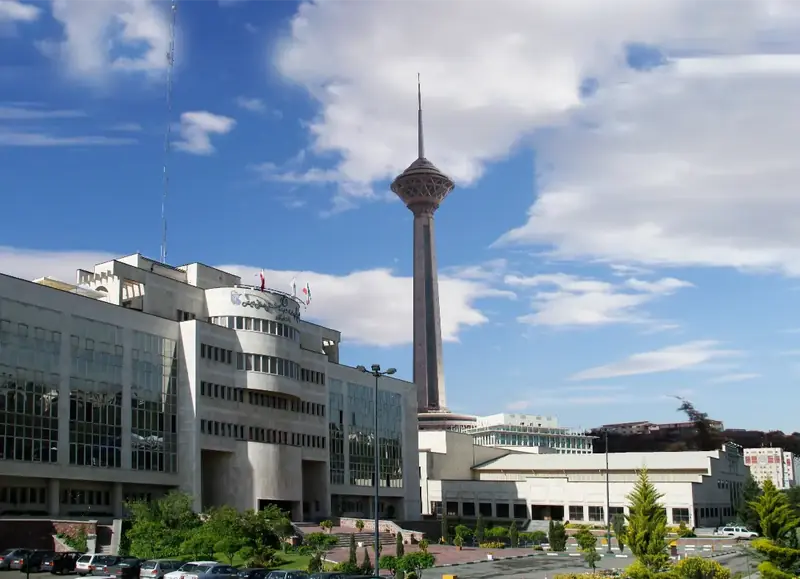
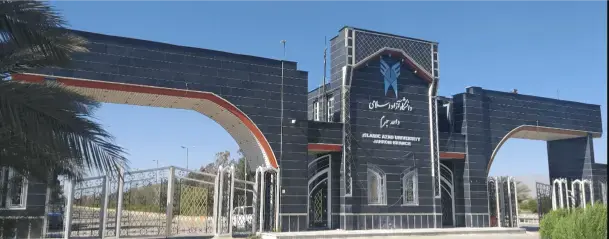
MBBS in Iran for Indian students is a very good option for Indian students since the country provides quality education at very affordable prices. Medical universities of Iran are accredited throughout the world, and the structure for an MBBS course here is designed to properly train the students, which will lead them to become medical professionals. The degree obtained from here is accepted worldwide.
Internationally Recognized Degree and Licensure Exams: Another prime reason to opt for Indian students' MBBS in Iran is that their attained medical degrees are recognized internationally. Hence, graduates may be authorized to appear in licensure tests such as the NMC screening test, PMDC, and PLAB. In such cases, students will be allowed to practice in those respective nations, including India, upon succeeding in the necessary examination(s).
Medium of Instruction: The MBBS program in Iran is offered in the English language so that both international and native students can easily understand the course study. This makes Iran a perfect destination for Indian students because they will not face any problem in understanding the local language barriers as they might face in some other countries.
Affordable Education: The cost aspect is one of the biggest advantages of pursuing an MBBS in Iran for Indian students. If compared with many other countries that provide similar education, the cost of MBBS in Iran would be quite reasonable. Tuition fees are affordable, and living expenses in Iran are also low, making it an economical choice for medical aspirants.
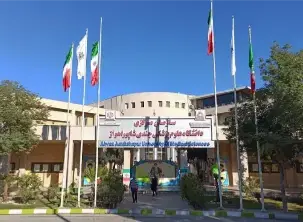
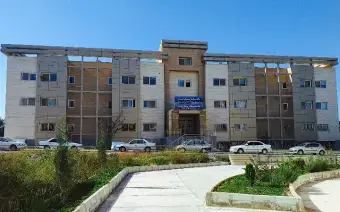
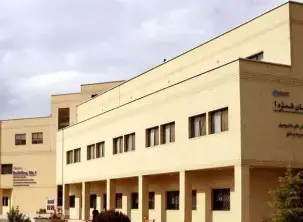
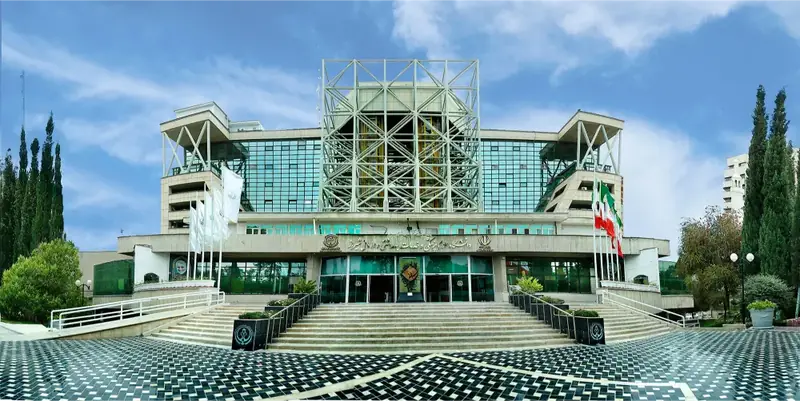
Quality Education and Infrastructure: Medical universities in Iran are well facilitated with good infrastructures, such as well-equipped labs, modern classrooms, and large campuses. MBBS students in Iran students' get to go for internships at some of the most advanced medical facilities in order to provide them with practical exposure and hands-on experience. Besides this, the universities have vast libraries with all the study materials necessary for students, which will help in the learning process.
Cultural and Social Environment: Iran prides itself on its traditional and modern cities with the greatest friendliness and patience from the people. Students going from India will enjoy these multinational surroundings that allow them to take part in academic and personal social development. Iranian universities allow one a pleasant and friendly study environment characterized by a learning atmosphere where personal growth is easily and well fostered.
MBBS in Iran for Indian students stands out as an excellent opportunity to get a top-quality medical degree at an affordable cost in a very secure and diverse environment. Its ease of admission and affordability, along with recognition, make the degree perfect for doctors-to-be from India.
Cost of Study MBBS In Iran
MBBS in Iran for Indian students is a very good option. The average tuition fee of study MBBS in Iran ranges from $2,800 USD to $6,000 USD per year, which differs from university to university according to the programs.
Food and Accommodations
Food: In a restaurant that goes with mid-range meals, approximately all foods will cost you about $15 to $20 just for a meal.
Accommodation: The students' accommodation varies from $6,000 USD to $8,000 USD per year, depending on location and housing type.
Living Expenses: The students will approximately need to budget $100 USD per month, with the tuition fee aside for general living expenses, that may vary depending on their living style.
Transportation Costs: Public transport in Iran is pretty affordable, with students receiving a 30 percent discount on every ticket when they travel by bus or train. A single ride on public transportation costs about $2 USD, and a monthly pass can range from $10 to $30 USD.
In a general view, MBBS in Iran is relatively affordable due to low tuition fees, as well as accommodation and transport that are cheaper. Therefore, it's a fantastic option for international students.
Advantages of Study MBBS in Iran
MBBS study in Iran offers numerous benefits and therefore is considered one of the most lucrative countries among foreign students. At first glance, the main advantages include the following:
Affordable Education: The tuition fee for MBBS in Iran is relatively affordable. Thus, it is no burden to acquire a medical degree with minimal debt burden.
No hidden costs: No extra charges or additional costs for admission; it's all transparent and student-friendly.
Simple Admission Process: The process for MBBS admission is not very complicated in Iran. Again, the application method is considered to be easy to obtain because one can even apply online.
Affordable Living: One of the main factors which makes Iran an attractive choice is its low living expenses. It is really cheaper to live in Iran when compared with many countries globally. Students can easily meet accommodation and food expenses within a minimum budget.
High-quality education: Most of the medical universities in Iran are completely equipped with all infrastructural amenities and provide high quality education. The students avail themselves of modern, well-equipped laboratories, advanced academic buildings, and vast university libraries with plenty of textbooks, reference books, and other study materials.
International recognition: The medical degrees accorded to Iranian universities are internationally recognized; hence, after going back home, the student shall practice wherever they may feel free.
Cultural Diversity: Iran provides an academic setting that is really multicultural and invites every student into their country without limits. It is truly an experience in learning, exposure, and growth through academic life in diversity.
Exposure to Technology: The students studying in Iran get enough exposure to advanced medical technology and training at university-affiliated hospitals, ensuring that they get the best practical exposure.
Student Support Services: Iranian universities support foreign students in airport pickup, accommodation, and other necessary services to make their transition into student life smooth.
Scholarship Offered to Students For MBBS in Iran
Many medical universities in Iran offer scholarships to international students who come to study MBBS in Iran. These scholarships are often merit-based, need-based, or a combination of both to ensure affordability in education. These scholarships usually include tuition fees, whereas many of them cover additional allowances toward living. Students can apply for scholarships for MBBS admissions in Iran by submitting respective documents, such as academic transcripts and the NEET scorecard for Indian students. These help reduce the load of paying tuition fees while study MBBS in Iran a degree that is recognized around the world.
Admission Process For MBBS In Iran 2026-27
The admission process for MBBS in Iran is straightforward and designed to accommodate national and international students:
Step 1: Fill out the application form/admission form from the RMC website.
Step 2: Select your NMC-approved desired university for study MBBS in Iran.
Step 3: Be ready with your all documents, now submit scanned documents: 10th and 12th mark sheets, NEET score card (if you have one), copy of the medical certificate, and passport.
Step 4: After 10-15 days of applying and submitting the application form, you'll get the invitation letter from the university.
Step 5: Students can apply for visa in the respective embassy for 10 days of visa processing.
Campus Life for Medical Students in Iran
Campus life for medical students in Iran is a vibrant and enriching experience that combines academic excellence with cultural immersion. Iranian universities provide a comprehensive student experience both inside and outside the classroom.
Academic Environment
Medical students in Iran benefit from state-of-the-art facilities, including modern lecture halls, well-equipped laboratories, and advanced simulation centers. The universities maintain small class sizes, allowing for personalized attention from faculty members. Study groups and peer learning sessions are encouraged, fostering a collaborative academic atmosphere where students support each other in their educational journey.
Accommodation and Housing
Most Iranian universities provide on-campus accommodation for international students, offering comfortable dormitories with essential amenities. Off-campus housing options are also widely available in student-friendly neighborhoods near the universities. University-managed hostels typically include Wi-Fi, laundry facilities, common kitchens, and recreational areas where students can socialize and relax.
Cultural and Social Activities
Iranian universities organize regular cultural events, sports competitions, and social gatherings that allow international students to interact with local peers and experience Iranian culture firsthand. Students have access to sports facilities including gyms, basketball courts, and swimming pools. Many universities also host international student clubs and associations that help students from different countries connect and share their experiences.
Food and Dining
University cafeterias offer affordable meals with diverse options, including Indian cuisine in cities with significant Indian student populations. Many medical students cook their own meals in shared kitchen facilities, which also helps reduce living expenses. Local restaurants and food markets offer authentic Iranian dishes at economical prices, allowing students to explore and enjoy the local food culture.
Transportation and Mobility
Iranian cities have extensive public transportation networks including buses, metro systems, and shared taxis. Students receive significant discounts on public transport passes, making commuting between campus, hospitals, and the city very affordable. Most universities are located in central areas with good connectivity to major hospitals and medical facilities required for clinical training.
Healthcare and Support Services
Universities provide comprehensive health and counseling services for international students. Medical students have access to university health centers and affiliated hospitals. Support services include visa assistance, accommodation help, emergency assistance, and academic advising to ensure students' well-being throughout their studies.
Clinical Training Exposure
Medical students gain practical experience through rotations in university-affiliated hospitals and clinics. These placements expose students to diverse patient populations and medical conditions, enhancing their clinical skills. The emphasis on hands-on training in real healthcare settings ensures students develop competence in practical medical procedures and patient care.
Extracurricular Opportunities
Beyond academics, students can participate in research projects, medical conferences, and seminars. Many universities encourage student involvement in community health initiatives and outreach programs. These activities provide valuable networking opportunities and help students develop leadership skills alongside their medical education.
Career Opportunities After MBBS in Iran
Completing MBBS in Iran opens up diverse career pathways for Indian students, both within India and internationally. The globally recognized degree provides flexibility and multiple options for professional advancement.
Practice Medicine in India
Indian graduates from Iranian universities can practice medicine in India after clearing the National Medical Commission (NMC) screening test (formerly known as FMGE - Foreign Medical Graduate Examination). Once qualified, they can register with the NMC and work as doctors in government hospitals, private healthcare institutions, and clinics across India. Many Iranian medical graduates successfully establish their own medical practices or join established healthcare facilities in India.
Postgraduate Studies
MBBS graduates from Iran can pursue postgraduate specialization courses in India through national entrance examinations like NEET-PG. This allows them to specialize in fields such as surgery, pediatrics, cardiology, orthopedics, psychiatry, and other medical disciplines. Postgraduate qualifications enhance their career prospects and earning potential significantly.
Practice Medicine Abroad
The internationally recognized Iranian medical degree allows graduates to pursue medical licensing in countries like the United States, United Kingdom, Canada, and Australia. Graduates can appear for international licensing exams such as USMLE (for USA), PLAB (for UK), MCCQE (for Canada), and other country-specific medical board examinations. This opens opportunities for employment in developed countries with higher remuneration packages.
Hospital and Healthcare Management
With an MBBS degree from Iran, Indian students can explore career opportunities in hospital administration, healthcare management, and medical education. Many graduates work as medical directors, hospital administrators, and healthcare consultants in leading hospitals and healthcare organizations both in India and internationally.
Research and Academia
Graduates interested in medical research can pursue doctoral degrees (PhD) in medical sciences or pursue research fellowships at premier institutions. Many Iranian medical graduates contribute to medical research in areas such as public health, epidemiology, clinical research, and medical sciences. Academic careers in medical colleges and universities are also viable options.
Public Health and Community Medicine
MBBS graduates can work in public health sectors, government health agencies, and NGOs focused on community health initiatives. Opportunities exist in disease surveillance, health policy formulation, epidemic management, and primary healthcare delivery at the grassroots level.
Medical Consultancy and Corporate Healthcare
Indian medical graduates from Iran can work as medical consultants in corporate hospitals, diagnostic centers, and private healthcare chains. Many find employment in medical tourism, healthcare consulting firms, and pharmaceutical companies. These roles often offer competitive salaries and career growth opportunities.
Telemedicine and Digital Health
With the growing digital health sector in India, MBBS graduates can establish telemedicine platforms, work with health-tech startups, or provide online medical consultations. This emerging field offers innovative career opportunities with flexibility and scalability.
Armed Forces and Defense Services
Qualified MBBS graduates can join the Indian Armed Forces (Army, Navy, Air Force) as medical officers. This provides a structured career with attractive benefits, job security, and opportunities for specialization in military medicine.
Medical Writing and Documentation
Some graduates pursue careers in medical writing, creating clinical documentation, educational materials, and pharmaceutical content. This field combines medical knowledge with writing skills and is increasingly in demand in the healthcare and pharmaceutical industries.
Earning Potential
Professional Growth and Networking
Graduation from a globally recognized Iranian medical university provides access to international medical associations, conferences, and networking opportunities. Many graduates maintain connections with peers worldwide, facilitating knowledge exchange and potential collaboration opportunities throughout their careers.
MBBS Syllabus in Iran
MBBS In Iran vs MBBS In India