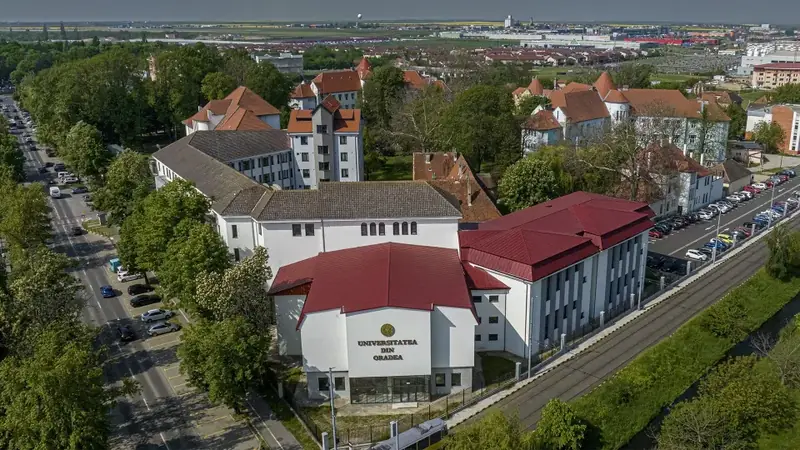
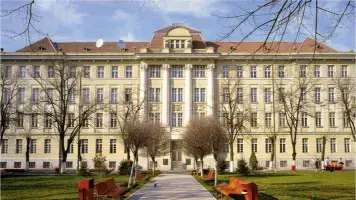
With highly affordable education and world-class infrastructure, Romania has emerged as a popular destination for study MBBS in Romania for Indian students. MBBS programs Romania are meant to be designed according to international standards, making this country an ideal choice for Indian students seeking quality medical education abroad.
One of the major attractions for Indian students is the cost of MBBS in Romania, which, much lower compared to India and other countries offering the same quality education, remains reasonably priced to make sure that the students get quality education without any financial burden.
Medical colleges in Romania, universities in Romania are approved by NMC; thus, it is easy for Indian students to return to India after their degree for practicing and clear the FMGE/NExT exam. Moreover, the programs offered by these universities are taught in English; hence, Indian students face no barriers in language and easily adjust.
Another advantage is life in Romania, which is safe and very friendly for international students. The cost of living for a medical student in Romania is relatively affordable, covering all expenses like accommodation, food, and transport. Besides, Indian students can be introduced to the rich culture and heritage of Romania while living the European lifestyle.
The admission process for MBBS in Romania is relatively easy and simple. Only minimal documentation is required for admission. The Indian students have to provide their academic records, a valid passport, and proficiency in English. This hassle-free process makes Romania an attractive option for Indian students.
With recognized degrees at an affordable fee, a great academic environment, and a developing country, Romania is considered an ideal destination for Indian students who want to pursue a medical career. MBBS in Romania for Indian students offers not just education but a pathway to global medical opportunities.
Advantages of Studying MBBS in Romania
Study MBBS in Romania has many advantages for international students and hence is one of the most preferred destinations for medical education:
Affordable Fees: Universities for MBBS in Romania provide quality education at very low rates compared to other European nations. The MBBS in Romania fees is kept budget-friendly to attract students from all over the world.
Globally Recognized Degrees: NMC-Approved medical colleges in Romania, one is allowed to practice anywhere around the world.
English-Taught Programs: Most MBBS programs in Romania are taught in English; thus, language barriers are eliminated, making it easier for international students to adjust.
Quality Education: Medical universities in Romania assure the highest standards of theoretical and practical knowledge with modern facilities and highly qualified faculties.
Multicultural Environment: It offers a cultural experience and gives good opportunities for international networking, having lots of international students in Romania.
Ease of Admission: Admission process for MBBS in Romania is easy and consistent, with no need for entrance tests like NEET for many universities; thus, it is accessible for students.
Career Opportunities: Career prospects after MBBS in Romania are brilliant, and one can practice anywhere in Europe, India, or any other country.
Safe and Affordable Living: Living in Romania is quite affordable, with students finding the country safe and welcoming.
It is hence preferred by most of the aspirants since studying MBBS in Romania combines affordability, quality education, and international exposure.
Studying MBBS in Romania combines affordability, quality education, and international exposure, making it a preferred choice for medical aspirants.
Cost of Study for MBBS in Romania
The academic and economic viability of study MBBS in Romania is well complemented. For the total expenses, one may categorize the following:
Food and Accommodation
Accommodation: Romanian universities offer on-campus hostels with well-maintained facilities, which cost between €150 to €300 per month. To be precise, students can also share private apartments, and the cost varies from €200-€400 per month. Food is pretty affordable, and one can get by on an average of €100-€150 per month for groceries. It is also easy on the wallet to eat out at local restaurants; meals start from €5-€10.
Cost of living
Living in Romania is cheaper compared to most European countries. Students can afford a month's expenses with €300-€500 for food, accommodation, utilities, and leisure. Books, internet, and health insurance are also quite cheap, enabling international students to enjoy a good lifestyle.
Travelling Costs
Public transport in Romania is good and relatively cheap. For students, a monthly bus, tram, and metro ticket costs as low as €10-€20. Student travel discounts are widely available for intercity travel, so exploring the country during vacations is also relatively affordable.
Miscellaneous Expenses
Other expenses such as personal shopping, mobile plans, and entertainment are also relatively low. The charges for the phone and internet are in the range of € 10 to € 20 per month. The students can maintain a balanced lifestyle without having to overspend.
The total cost of studying MBBS in Romania is very affordable, thus guaranteeing quality education at sufficiently reasonable rates without any financial burdens. Thus, Romania is a priority among the choices for international medical students.
Duration of MBBS Course in Romania
The MBBS program in Romania typically spans 6 years. This includes 3 years of pre-clinical theoretical study followed by 3 years of intensive clinical training in affiliated hospitals. Students also participate in practical sessions, laboratory work and hands-on medical exposure throughout the course.
Medium of Teaching in Romania
The medium of instruction for MBBS in Romania is primarily English, making it suitable for Indian and other international students. Some universities may offer bilingual programs where students learn basic Romanian to communicate effectively during clinical rotations with local patients.
Intake for MBBS Study in Romania
The main intake for MBBS in Romania starts in September for most medical universities. Applications typically open from May to July. A secondary intake is rarely offered, so students are advised to apply early to secure seats and complete the visa process on time.
Admission Process for MBBS in Romania 2026-27
To admission process for MBBS in Romania is straightforward and designed to accommodate national and international students:
Step 1: Fill out the application form/admission form from the RMC website.
Step 2: Select your NMC-approved desired university for study MBBS in Romania.
Step 3: Be ready with your all documents, now submit scanned documents - 10th and 12th mark sheets, NEET score card (if you have one), copy of the medical certificate, and passport.
Step 4: After 10-15 days of applying and submitting the application form you’ll get the invitation letter from the university.
Step 5: Students can apply for visa in the respective embassy for 10 days of visa processing.
Scholarships Offered in Romania
Different scholarship schemes are available in Romania for international students who seek higher education in the country, including MBBS in Romania. These scholarships lessen the burden of the costs and facilitate meritorious students by making medical education possible. Generally, scholarships involve the following:
1. Governmental Scholarships
The Romanian Government, under the MFA, grants scholarships to foreign students outside the European Union. The scholarship covers tuition fees, accommodation, and a monthly allowance. It is important to note that students must attend their studies in the Romanian language, and one preparatory course in language is covered within the scholarship period.
2. University Scholarships
Further to the above, quite a number of medical schools from Romania offer different merit-based, need-based scholarship schemes, along with tuition-fee discounts reserved for the finest students. In addition, you can also view scholarships based upon merit or necessity. Such awards are granted with regard to scholars who have exceptionally good academic histories or those which, on the surface, appear at a financial issue.
3. The Erasmus+ Program
To support this, the Erasmus+ offers financial assistance toward tuition fees and living expenses for students both from EU and third-party countries who apply for an exchange program or full-degree studies in Romania.
4. Private and International Scholarships
Different scholarships from various private organizations and international institutions are available to students studying MBBS in Romania. Most of the scholarships target specific criteria related to academic excellence, leadership skill, or community service.
5. Scholarships for Indian Students
Students from India can also explore some of the special scholarships made available under bilateral agreements between the governments of India and Romania. Such scholarships may cover all tuition fees, living expenses, and all other related expenditures.
These different scholarships available reduce the cost burden for students pursuing the MBBS course program in Romania, making it even more financially viable to assure quality medical education.
Top Universities in Romania with Ranking
Romania has a great number of universities, highly valued for study and research activities in various fields. These universities are recognized for their academic excellence, diversity of programs, and international collaborations, thus being very attractive for both local and foreign students. Herein, a list of several of the best universities in Romania is presented, together with a short description of each:
Babes-Bolyai University (BBU): Located in Cluj-Napoca and has its origins dating back to 1919. Currently, it is the largest university in Romania. This university provides a variety of programs within 21 faculties, in various languages. The university is also known for its high research output and international cooperation.
University of Bucharest: In Bucharest, the capital of the country, lies one of the prestigious institutions with international acknowledgment since its establishment in 1864. It offers its programs through 18 faculties and has an enrollment of approximately 32,000 students. There are also over 100 international partnerships.
Alexandru Ioan Cuza University (UAIC): It is the oldest university in Romania, and it was established in 1860; its location is Lasi. This university is well-recognized due to its emphasis on humanities and social sciences. Further, it enjoys international cooperation with more than 400 partner institutions.
Politehnica University of Bucharest: The technical university was established in 1864 and is considered one of the leading ones in its area, focused on engineering and technology. This university represents about 23,000 students and tries to keep pace with modernization and contact with industries for its curriculum which addresses labor market requests.
Academy of Economic Studies: ASE is the largest institution for economic education in Romania and was established in 1913 in Bucharest. It offers a number of undergraduate and postgraduate programs and is considered one of the highly recognized institutions for the quality education it imparts to its students in the field of finance and management.
West University of Timisoara: Modernly, it is an educational concept, established in 1962. It has a number of different programs at several levels. Moreover, it enjoys international prestige, having as some of the very well-known former students one Nobel Prize winner: Herta Muller.
Technical University of Cluj-Napoca: This university was founded in 1922, its focus being on engineering and technical sciences. The university is intensive in research, innovative, and with several international relations.
Lucian Blaga University of Sibiu: Established in the year 1995, this university incorporates a wide set of programs in humanities as well as in sciences. This university aims for an integrated academic environment and a place of accomplished research.
Transilvania University of Brasov: It was established in 1990 and has a wide range of programs, but it emphasizes research and community engagement. It prepares students for both the local and international labor markets.
The University of Craiova, founded in 1966, comprises academic groups in all higher education areas. It is committed to research and cultural activities in the community and takes an active part in higher education in southern Romania.
Campus Life for Medical Students in Romania
Campus life for Indian students in Romania is comfortable, diverse and academically supportive. Universities offer modern classrooms, advanced laboratories, digital libraries and safe hostel facilities. Many campuses host multicultural communities, helping Indian students feel at home. Students also get access to sports complexes, student clubs, cultural festivals and international student events. Indian food is available in campus cafeterias or nearby restaurants, making daily life easier. Overall, the friendly environment, affordable living and supportive faculty create a positive experience for Indian MBBS students.
Career Opportunities After MBBS in Romania
After completing MBBS in Romania, Indian students have multiple career options. They can return to India and appear for the FMGE or NExT exam to obtain a license to practice. Many graduates pursue postgraduate studies such as MD or MS in India, Romania or other countries like the UK, USA, Germany and Australia. Students can also prepare for international licensing exams including USMLE, PLAB and AMC to practice abroad. Career opportunities include working in hospitals, clinics, research institutes, public health organizations, telemedicine and medical education. With globally recognized degrees and strong clinical exposure, graduates can build successful medical careers worldwide.
MBBS Syllabus in Romania
Differences Between MBBS in Romania and MBBS in India